
Celebrating Diwali
Also known as the Festival of Lights, is one of the most important and widely celebrated Hindu festivals in India and around the world. Symbolizing the victory of light over darkness and good over evil, Diwali brings families and communities together in joy and devotion. It usually takes place between October and November, depending on the Hindu lunar calendar, and spans five days, each with its own significance and customs. The festival is celebrated not only by Hindus but also by Jains, Sikhs, and Buddhists, each adding their own spiritual meaning to the occasion.

The origins of Diwali are rooted in ancient Indian mythology. In North India, the festival marks the return of Lord Rama to Ayodhya after defeating the demon king Ravana and completing a 14-year exile. In South India, it commemorates Lord Krishna’s victory over the demon Narakasura, while in Western India, it honors King Bali’s return to earth. For the Jain community, Diwali marks the attainment of nirvana by Lord Mahavira, and for Sikhs, it celebrates the release of Guru Hargobind Ji from imprisonment.
The five days of Celebrating Diwali begin with Dhanteras, a day for purchasing gold, silver, and utensils, symbolizing wealth and prosperity. The second day, Naraka Chaturdashi or Choti Diwali, involves cleaning homes and lighting the first lamps. The third day, which is the main Diwali day, is dedicated to Lakshmi Puja, where devotees worship the goddess of wealth, Goddess Lakshmi, seeking blessings for prosperity and success. The fourth day marks the beginning of the new year in some regions, and the fifth day, Bhai Dooj, celebrates the bond between brothers and sisters.

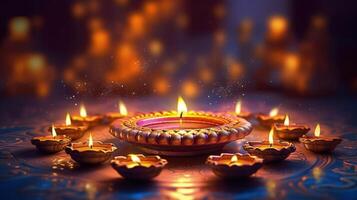
Diwali is also a time of grand celebrations and rituals. Homes are decorated with colorful rangoli, oil diyas (lamps), fairy lights, and fresh flowers. People wear new traditional clothes, exchange gifts and sweets, and burst fireworks to ward off evil spirits. Streets and marketplaces come alive with vibrant energy, as people shop for clothes, home decor, sweets, and gifts in preparation for the festivities.
Although Celebrating Diwali is deeply rooted in tradition, it has evolved with time. In modern celebrations, families often combine traditional rituals with contemporary styles of partying and gift-giving. Many also focus on eco-friendly Diwali by avoiding loud firecrackers and opting for sustainable decorations and LED lights. Educational institutions and offices organize Diwali events to encourage cultural appreciation and festive unity among people of different backgrounds.

Overall, Diwali is much more than just a festival — it is a celebration of light, hope, family, and renewal. It serves as a reminder to let go of negativity, start fresh, and spread kindness and joy. With its spiritual depth and vibrant traditions, Diwali continues to be a source of inspiration and togetherness for millions around the world.